Backseat Offroad Pre-Trail Checklist
Garage habits that save summit evenings.
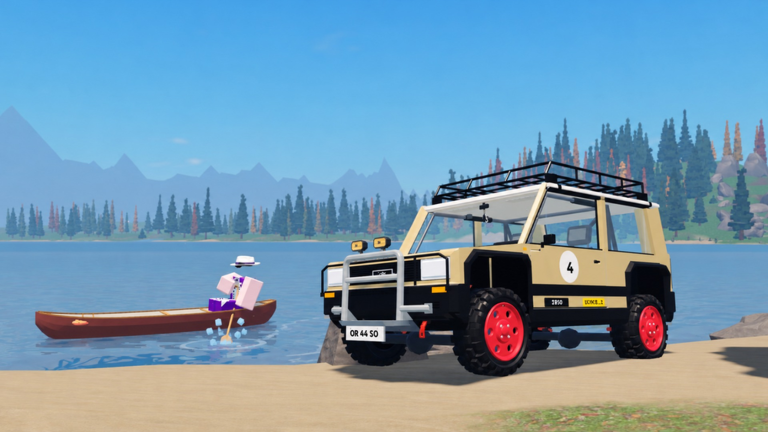
Use this pre-trail checklist before you leave the garage in Backseat Offroad. It is a tool-style routine for fuel mindset, winch readiness, low range, diff lockers, parts, and friends — not a literal in-game item menu. Long maps punish the driver who remembers the snorkel after the first deep ford.
Print it, pin it in Discord, or read it aloud with your Anchor. Then run the trail. Pair deeper mechanics with Getting Started, Climb Builds, and Co-op Winching.
Master checklist (every session)
1. Fuel mindset
Even when a patch makes fuel abstract or generous, adopt a fuel mindset: plan gates, not vibes.
- Know tonight’s farthest gate (lake loop, timberline, alpine village, summit)
- Agree on a turn-back time before you are stubborn and cold
- Leave mental reserve for the descent — most chaos happens going down
- Pack patience as if resources were limited; crawl efficiency beats thrash
2. Winch ready
- Winch equipped on the truck you are actually driving
- Rope free of self-hooks in a quick garage or yard test
- You remember how to aim and attach under stress
- Solo tree-anchor plan exists if friends disconnect
- Duo: Anchor truck also winch-ready (Co-op Winching)
3. Low range and lockers
- You can find low range without opening a wiki mid-climb
- Diff lockers engage and disengage deliberately
- Party agrees when to lock (straight bite) versus unlock (tight bind)
- Nobody “tests” lockers for the first time on polished ice
4. Bolt-ons for the route
- Lift appropriate for rocks without skateboard tip risk
- Snorkel if rivers sit on the route
- Engine swap matches crawl goals, not ego horsepower
- Canoe only if lake logistics matter tonight
- Role matches job — see Tier List Hub
5. Friends and comms
- At least one Anchor identified for summit or river nights
- Callouts agreed: Anchor set, tension, slack, stop stop, clear
- Mic levels sane; panic screaming banned
- Reconnect landmark chosen if someone drops from the Roblox server
- Etiquette refresh from the Players Hub
6. Information hygiene
- Joined from the official experience
- Skimmed Updates if a patch dropped this week
- Ignored unverified scripts (Scripts Hub is empty for a reason)
- Codes checked only on Codes Hub — still none confirmed as of November 2026
Go / no-go calls
GO if winch, low range, lockers, and a realistic gate are ready.
SOFT NO-GO if you are solo, sleepy, and targeting a first-time icy crux — shrink the plan to timberline.
HARD NO-GO if your “prep” was downloading an unknown executor because a stranger promised auto-winch. Keep the account; try again tomorrow with vanilla tools.
Route-specific add-ons
Forest + cabin night
- Scout role truck or mindset selected
- Screenshot or notes plan for hidden places
- Agree whether cabin coordinates are spoilers in public chat
River night
- Snorkel on water lead
- Exit-bank Anchor positions discussed
- No racing through bow waves for content clips
Summit night
- Climb build reviewed (Climb Builds)
- Lead + Anchor pairing locked
- Fail budget set (example: three crux tries, then reset)
- Descent patience explicitly mentioned out loud
Two-minute garage script (read aloud)
- “Gate is _____; turn-back is _____.”
- “Winches tested.”
- “Low range and lockers known.”
- “Parts match route.”
- “Anchor is _____; stop word is stop stop.”
- “We crawl, we do not launch.”
If anyone cannot answer, stay in the yard until they can.
After-trail checklist (five minutes)
- What burned time — navigation, flips, or comms?
- Which part actually saved the run?
- Did anyone break callout discipline?
- Update personal cabin notes
- Schedule the next session while morale is high
Logging matters. The checklist is a loop, not a sermon.
Why this beats “one more upgrade” syndrome
Players often buy another lift when the real miss was an untested winch or a friend who never learned “slack.” This tool forces process. Combine it with the rest of the Tools Hub mindset: planners over pastes, routines over rumors.
Related pages
- Tools Hub — other planners and non-cheat utilities
- Climb Builds — when the gate is the summit
- Co-op Winching — rope teamwork details
- Useful Links — official join URL and wiki map
- Launch Notes — what systems existed on day one
Leave the garage slower so the trail can be calmer. Check the boxes, then crawl.
Frequently Asked Questions
Quick answers for crawls, winches, and co-op trails.
Is this an in-game item checklist?
It is a player planning routine. Use it in the garage before you commit to a long route.
Do I need every box ticked for a short lake drive?
Scale it down, but still confirm winch and drivetrain basics. Short drives become long recovers when you skip them.
What is fuel mindset if fuel is not punishing?
It means planning gates and turn-back times so you do not overextend on attention, patience, and safe descent energy.
Can my whole party share one checklist?
Yes. Read it aloud once, assign Anchor and Lead, and reuse the same go/no-go rules.